Every time someone asks me whether it is worth going to Italy in winter, I have almost the same answer: yes. But it depends entirely on the Italy you are picturing in your mind. Because I think this is where people get confused. When we imagine Italy, we usually imagine summer. Golden light. Drinks outside. Late-night gelato. Long walks through a piazza when it is still warm at 11pm. Ferries bouncing towards little islands off Sicily or the Amalfi Coast. Aperitivo outside. Everyone seemingly living their best life in linen. And that Italy is completely real. It is just not the Italy you will experience in December, January or February.
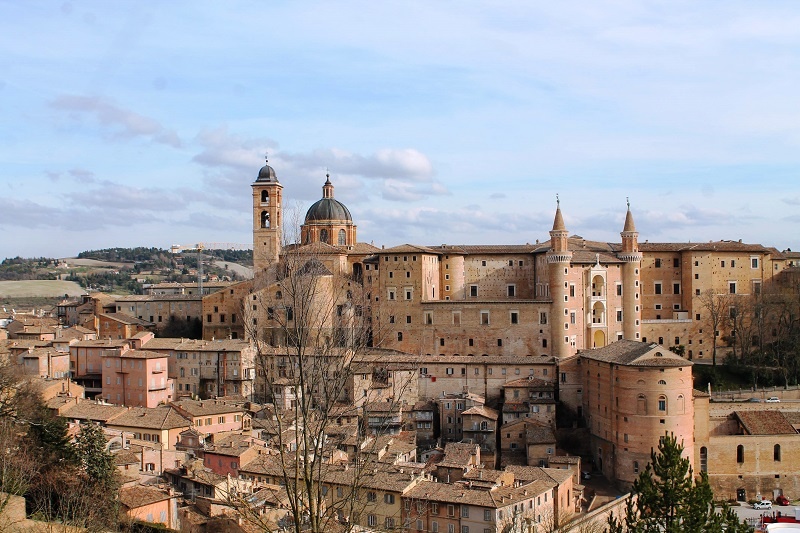
Winter in Italy is quieter, colder and much less polished than the version we constantly see on Instagram. The days are shorter. You may get rain. Some coastal towns can feel almost abandoned. Restaurants and hotels in smaller towns sometimes close for a few weeks, and some islands have reduced ferry services.
So if your dream of Italy involves swimming in the Mediterranean, sitting outside every evening and eating dinner under a warm summer sky, I would not tell you to go in January.
But if what you want from Italy is food, museums, architecture, neighbourhoods, cafés, photography, long walks and the pleasure of simply being somewhere beautiful without constantly fighting your way through a crowd, winter is a completely different story. And I actually think we need to stop treating winter as a disadvantage.
Winter Italy is a different kind of Italy
One of the things I hear most often is, “But won’t January be too cold?” It might be cold. Of course it might.
The bigger uncertainty is the weather. Will it be sunny? Will it rain? Will you wake up to grey skies? Will you get one of those beautiful crisp winter days where the light is actually extraordinary? But none of that removes the experience of being in Italy.
You might not know whether the restaurant you saved six months ago is going to be open. You might arrive at that tiny coastal town you saw on Instagram and discover that half the shops are closed for the season. That is part of travelling in winter.
And in exchange, you get things that summer simply cannot give you in the same way. The crowds are much more manageable. You may have more choice when it comes to hotels, and you can sometimes find better rates. Off-season does not suddenly make Italy cheap, but you may find that your preferred hotel is actually available rather than booked months in advance.
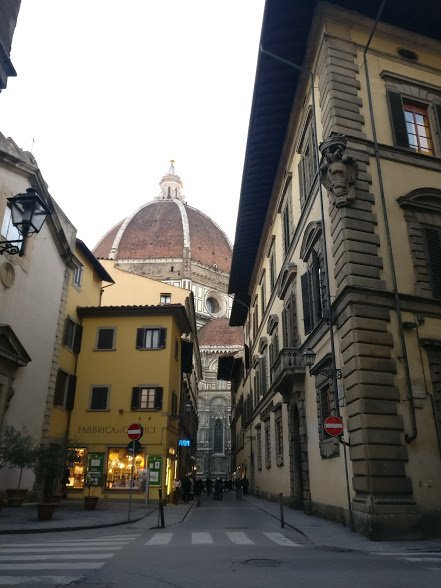
And then there is the obvious advantage: you can walk. Italy is a walking country. Even when you visit the big cities, you are going to walk from one place to another. You will stop for coffee. You will look inside a church because you happened to pass it. You will wander into a bookshop. You will sit at a bar for ten minutes and watch people go by.
Now imagine doing all of that in 35 or 38 degrees Celsius. Then imagine doing it at 10 or 15 degrees. It is a completely different experience.
Rome in winter makes a lot of sense
I especially love the idea of visiting Rome in winter. There is so much to do indoors and outdoors that the weather almost becomes secondary. You can walk through neighborhoods, visit churches and museums, sit in cafés, have a long lunch and simply take your time.
And I think people underestimate how much easier a walking city feels when you are not trying to escape the heat every twenty minutes. Even if it rains, so what? Go inside a church. Visit a museum. Find a café. Have a long lunch.
We have become so obsessed with blue skies and perfect travel weather that I think we sometimes forget that weather is part of the travel experience too. A rainy afternoon in Rome is still Rome. Sometimes it might even be the afternoon you remember.
If you’re planning a first visit to Rome, this is also where I would consider booking a museum or guided experience in advance. Winter is quieter, but popular attractions do not suddenly stop being popular.
When exactly should you go?
There is actually more than one version of winter in Italy. I’m not necessarily talking about Christmas and New Year when I say “winter.” The period from around the third week of December through Epiphany on January 6 can still be surprisingly busy. Italians are on holiday, people are travelling, cities are decorated and there is a completely different atmosphere.
I love this period for another reason: the lights.
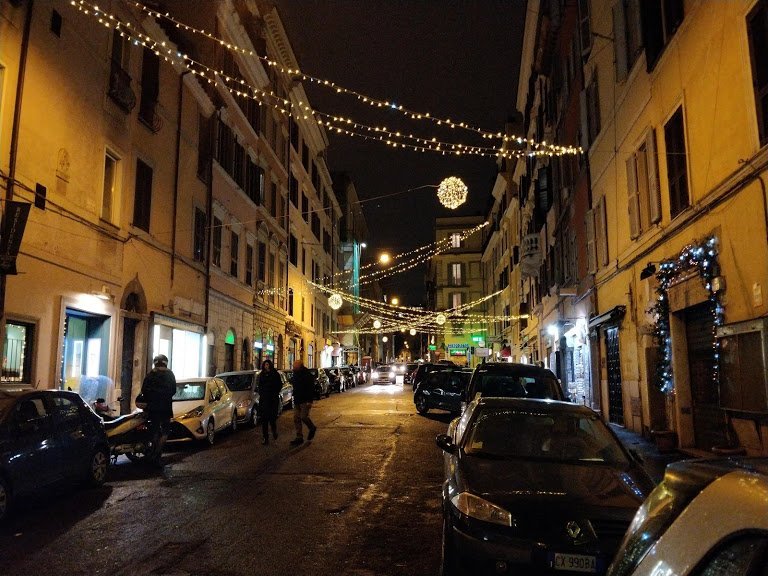
From late November through the Christmas season, Italian cities can be absolutely magical. Streets are illuminated, shop windows are decorated and even ordinary neighbourhoods can feel festive.
But if what you are looking for is proper low season, I would look more closely at mid-January to mid-February. That is when you really start to feel the difference. The trade-off is daylight. January has shorter days, although by February you can already feel the days getting longer and it becomes much easier to fit sightseeing into your day. So even within winter, there are different winters.
Where should you go?
This is where I would be a little careful. I wouldn’t plan a winter trip around tiny beach towns or islands without checking what is actually open. Some places that are buzzing in summer can be almost completely shut down in winter, and transport options can be reduced. But Italy is much more than its coastline.
There are twenty regions, and every region has its own character. Winter can actually be a lovely time to explore cities and hill towns where the experience isn’t dependent on swimming or sitting on a beach. Think about Umbria. Tuscany. Puglia. Or some of the smaller towns further inland.
And then there are the cities.
Venice in winter is an obvious example. Yes, I know “Venice without crowds” has become a cliché. But there is a reason people keep saying it. Venice really does feel different when you aren’t surrounded by enormous groups of tourists. Imagine a cold morning walking through the city, a quiet café, a rainy afternoon, something Venetian to eat and a glass of wine while you wait for the weather to change. That is also Italy.
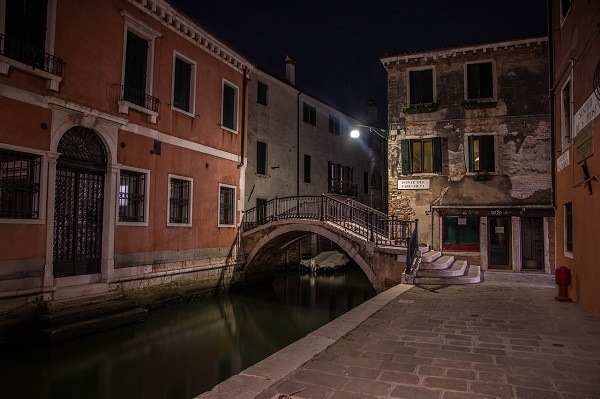
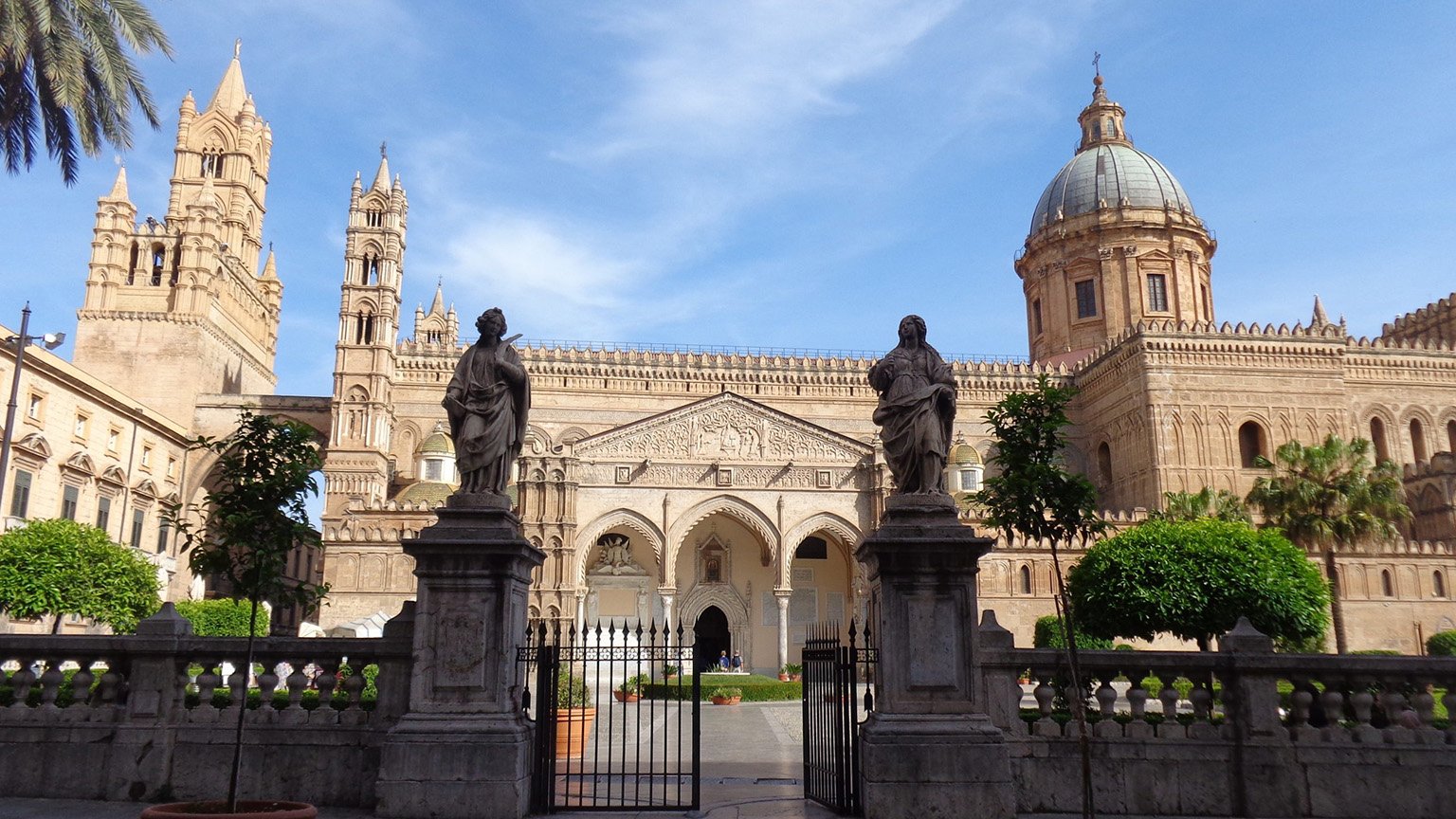
Turin, Bologna, Palermo and Naples can all work beautifully in winter too, each in completely different ways.
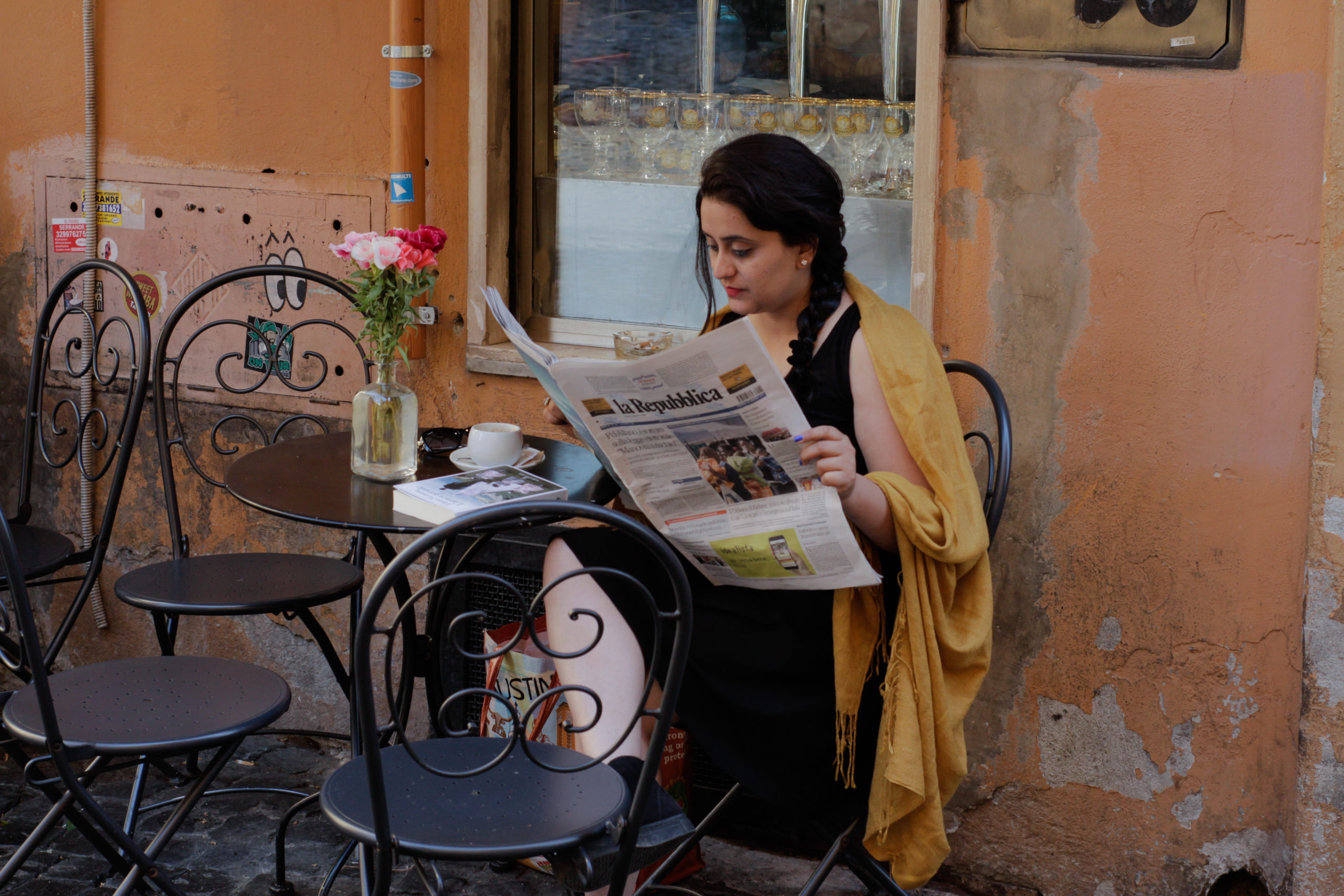
I particularly like the idea of wandering around these cities on cold days, stopping for coffee and allowing yourself to explore without feeling that you have to be somewhere else because the sun is disappearing.
Winter can also be easier on your wallet
This is probably the least romantic reason to visit Italy in winter, but it matters. Off-season does not mean “cheap Italy.” I would never promise that. But flights can sometimes be less expensive, hotels may have more availability, and you may have a better chance of finding the room or neighbourhood you actually want. Before booking, I usually compare a few options rather than assuming the first price I see is the best one.
What should you pack for Italy in winter?
Please don’t make the mistake of packing for Italy based on what you see on Instagram. You do not need to look like you are going skiing, but you do need to be comfortable enough to spend hours outside. Bring proper layers. A warm coat. Comfortable waterproof shoes. Something for rain. A scarf is always useful. And please prioritize shoes you can actually walk in. Because the secret to enjoying winter in Italy is not staying inside because it is cold. It is dressing properly and then going outside anyway.
If you are coming from India, this is particularly worth thinking about. Ten degrees in Italy can feel very different from what you are used to at home, especially when you are spending six or seven hours walking outside. Pack for the actual weather, not the aesthetic.
So, is winter in Italy worth it?
I think the real question is: what kind of Italy are you looking for????
If you want peachy days, golden light, late-night aperitivo and swimming in the Mediterranean, go in May or June. Summer has its own magic and I would never pretend otherwise. But if you are happy to give that up for a different kind of Italy-one where you can walk without melting, spend hours inside museums, eat slowly, take photographs, discover neighborhoods and experience the country at a slightly quieter pace—then I think winter is absolutely worth considering.
And if you are a returning Italophile who has already experienced Italy in summer, I would go even further. Try winter. Let Italy surprise you in a season you may never have imagined it in. There is something lovely about arriving in Italy with a coat on, seeing your breath in the morning, finding a warm café and realising that the country doesn’t actually need perfect weather to impress you.
A little something for your Italy planning
If you are planning a trip to Italy and want the things that don’t always make it into guidebooks, I made What Nobody Tells You About Italy for exactly this reason.
It is an eBook based on the small mistakes, surprises and unwritten things I have learned through years of travelling to Italy. It covers 29 things that can cost you time, money or even a fine if nobody warns you first-from train tickets and tabaccherie to the little details that can instantly make you look like a tourist. It isn’t a conventional Italy guide. It’s the kind of thing I wish someone had handed me before my first trip.
And if you’re going to Italy this winter, I hope you go with an open mind.
Don’t go looking for the Italy you’ve seen on Instagram 😉

No Comments