There are countless ways to learn Italian: online courses, textbooks, private tutors, apps that promise fluency in 15 minutes a day. And yet, for all the technology and structure we now have access to, most learners still hit a wall. They reach a plateau where vocabulary lists and grammar exercises no longer lead to real-world confidence. Why? Because language isn’t something you simply study. It’s something you participate in.
Today I’m pleased to introduce Italianforawhile is a gap year program based in Italy that helps people take a real break and experience Italian life from the inside. Founded by Brian Viola, a Milan native who was inspired by his own transformative gap year in Australia, the idea was to offer something deeper than tourism: a way to slow down, learn the language, and connect with local culture. Participants live in charming Italian towns, attend language courses, and participate to cultural activities. It’s a unique way to live like a local, even if just for a while!
Why living in Italy is the best way to learn Italian
Living in Italy creates a kind of exposure and involvement that structured lessons can’t replicate. It’s not a shortcut. It’s not magic. But it is, without question, the most natural and complete way to learn the Italian language. Not in isolation, but in its real, lived context.
Here’s why immersion through living in Italy works, and why it changes not only how you learn Italian, but how you experience it!
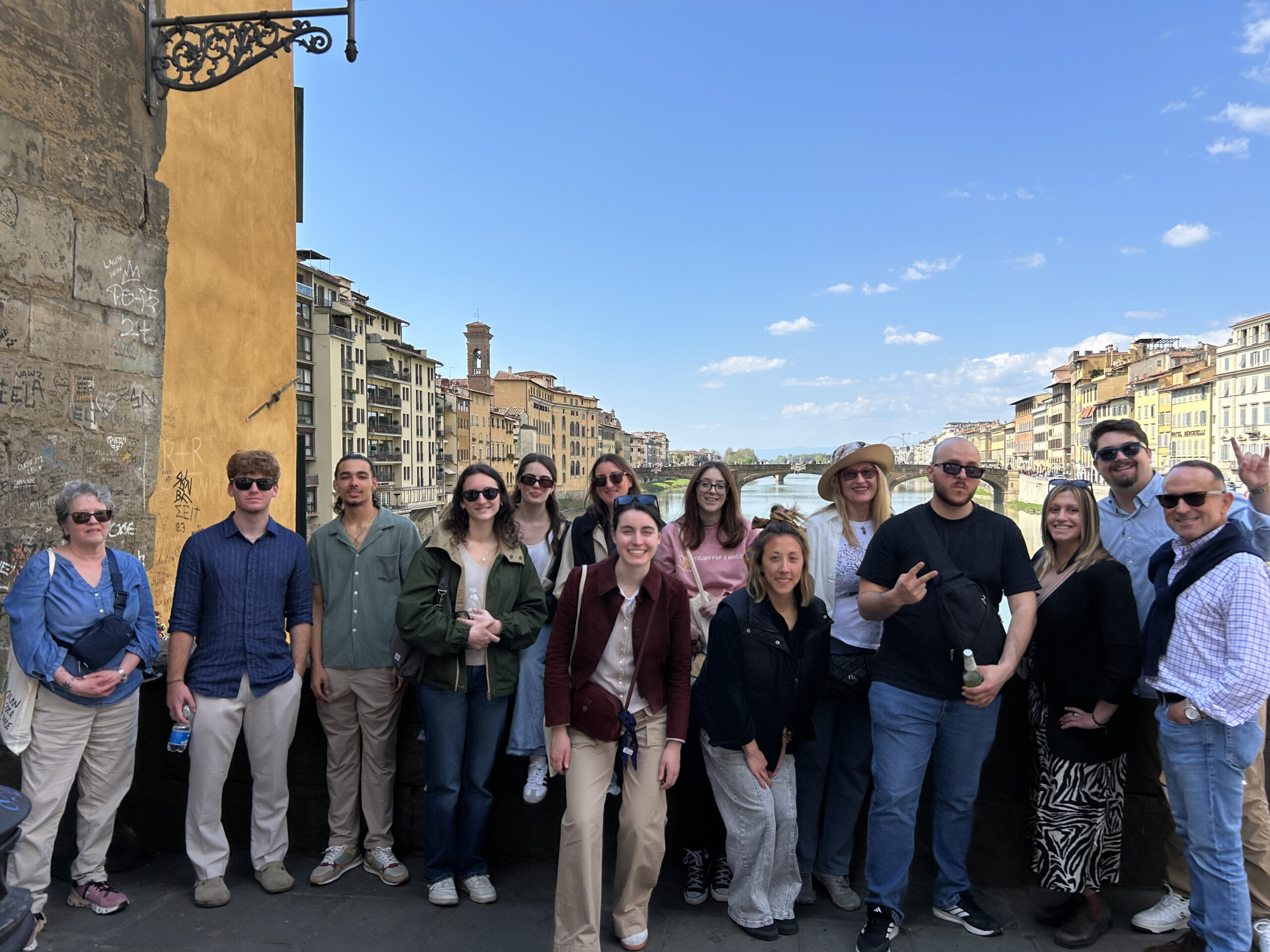
1. Language moves from abstract to immediate
In a classroom or on an app, language is often taught as something separate from daily life, a simple subject to be mastered. You learn how to say “I’m hungry,” but you’re never actually hungry when you’re saying it. The words are disconnected from real urgency, intention, or emotion.
In Italy, that changes instantly. You learn because you need to: to order lunch, to ask directions, to find the right train platform. Your brain has a reason to care. And that urgency accelerates learning. It’s a kind of full-body engagement: your ears, your mouth, your memory, your emotions all working together. You’re not just hearing the language; you’re using it, reacting to it, relying on it.
You’re no longer memorizing phrases. You’re choosing words in real time, adapting, listening closely to what comes back. And slowly, without realizing it, you stop translating in your head. You just speak.
2. You absorb more than just the grammar
Italian isn’t just made up of words. It’s made up of rhythm, gesture, humor, formality, subtlety: things that are nearly impossible to teach in a structured format. For example, you can study the difference between “tu” and “Lei” in books, but it’s only by living in Italy that you learn when to use them naturally. Because here, culture and language aren’t separate: you pick up both at once, sometimes without realizing.
And while a textbook might give you a list of expressions, only living in Italy gives you a real feel for which ones are used in Milan or in Naples, by a grandmother or by a bartender. What’s more, you naturally start to pick up the unsaid; the space between words, the meaning of a sigh, a shrug, a pause. This is what gives fluency its depth: not just the ability to say something, but the sense of when and how to say it.
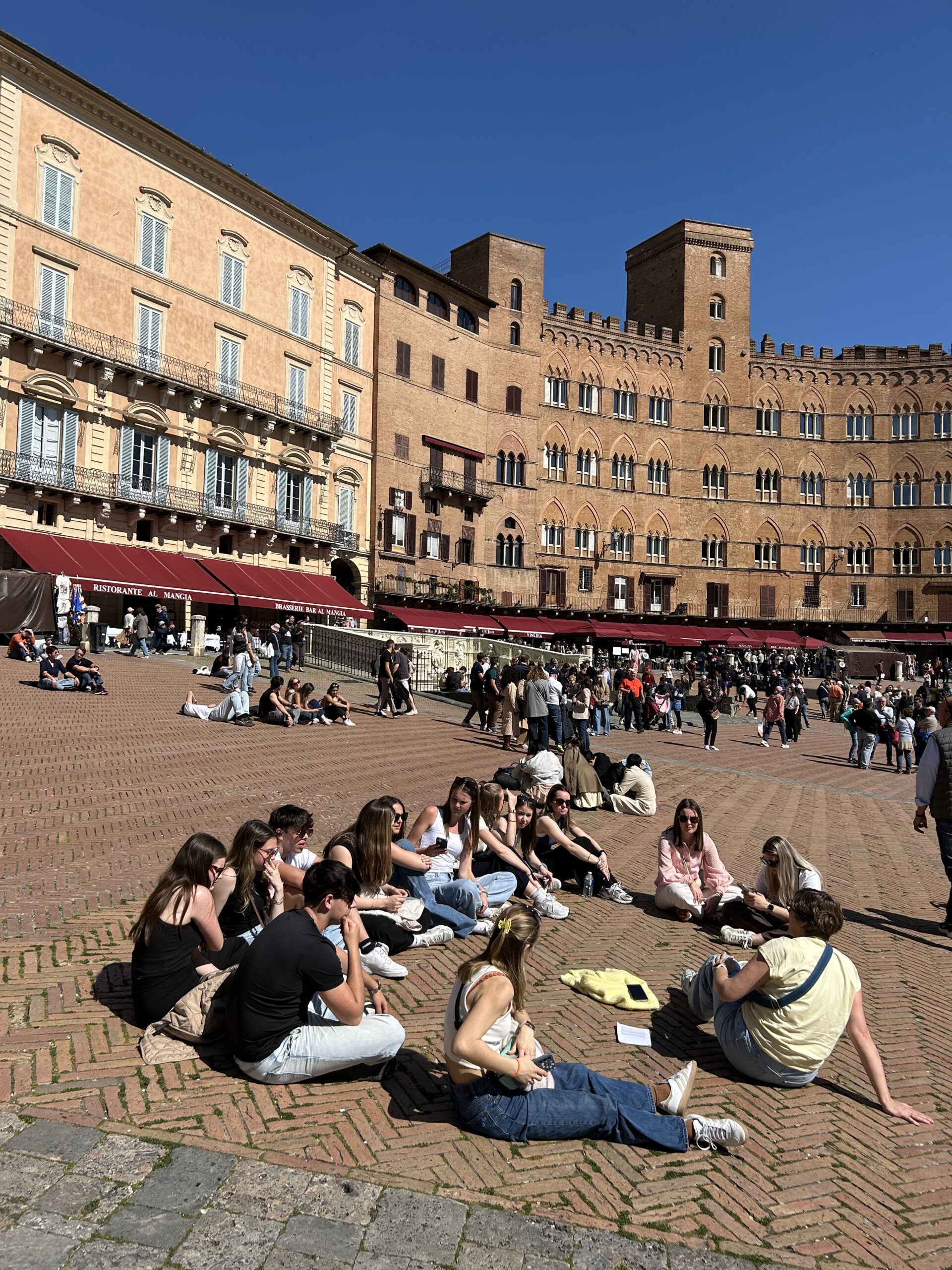
3. Repetition without routine builds real retention
The most effective way to remember something long-term is to encounter it repeatedly, in slightly varied ways, and to use it actively. Living in Italy turns this into a daily pattern.
You hear the same phrases again and again (lots of “Come va?”, “Tutto a posto?” and “Magari!”) but in different tones, with different emotions behind them. You don’t need to drill them with flashcards. You hear them in line at the bakery, on the bus, in conversations with neighbors. You try them out yourself. You get feedback. You adjust.
It’s deliberate practice, but embedded in daily life. And because no two days are the same, the brain doesn’t tune out. You’re constantly engaged, constantly learning, but without the mental fatigue that often comes from repetitive classroom exercises.
4. You stop seeing mistakes as failure
One of the biggest obstacles language learners face is fear: fear of sounding stupid, of getting it wrong, of being corrected. It’s easy to stay silent in a classroom, and it’s even easier to stay silent behind a screen. But when you live in Italy, you can’t opt out. You have to speak, even if you’re unsure. And the result is liberating.
Mistakes become part of the process; they’re normal, even expected.
And because you’re interacting with real people in real situations, you see how often Italians just want to help you.
They slow down, rephrase, and offer the word you’re searching for. Many of them enjoy the exchange and you start to care less about being perfect and more about being understood.
That shift, from performance to communication, is when true language learning begins.
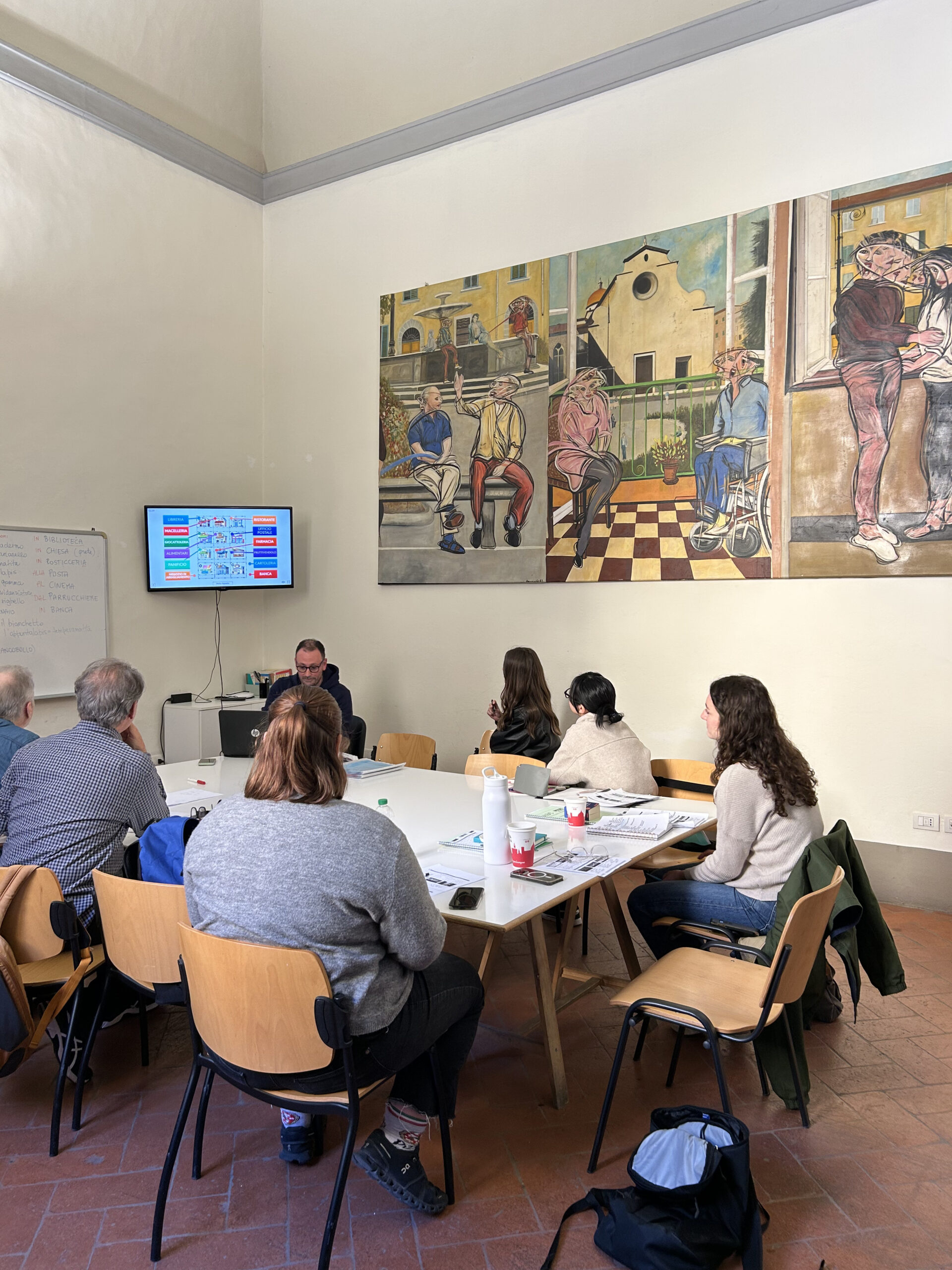
5. Real life and emotions make language stick
What ultimately makes living in Italy the best way to learn the language isn’t just the exposure or the structure it provides: it’s the emotional weight the experience carries.
Language attaches to memory. And the phrases you use at a dinner with friends, the words that helped you find your way home one night, the conversations that made you laugh, they stick because they matter. You begin to associate the language with life, not study.
That’s when it becomes yours.
A final thought (and a good place to start)
There’s no question: living in Italy accelerates your Italian in a way no textbook ever could. But more importantly, it invites a deeper connection with the country, its people, and the language itself.
You’re not just learning to speak. You’re learning to live in another language, with all the awkward moments, tiny wins, and unexpected friendships that come with it.
For those ready to take that step (not just as tourists, but as temporary locals) there are programs that make the transition easier. Companies like Italianforawhile specialize in immersive stays that combine language, culture, and community, helping people settle into everyday life in Italy while naturally improving their fluency.
Because at the end of the day, learning Italian isn’t just about grammar or vocabulary. It’s about connection. And Italy, in all its layered beauty, remains one of the richest places in the world to find it.
Thanks to Italianforawhile– a leading provider of language immersion and gap year programs across 10 beautiful destinations in Italy for this guest post. Follow them on Instagram!

1 Comment
Slow Travel with Dolomiti Horizons – Italophilia
August 22, 2025 at 5:42 pm[…] both of us speak Italian. And German too, which is actually more common in many areas of the Dolomites, shaped by their long […]